
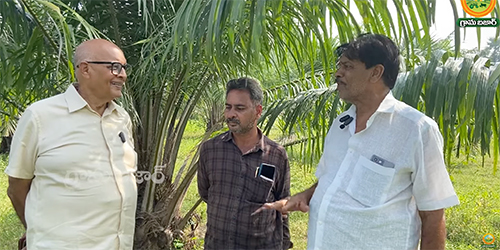
Experienced palm oil farmers and supervisors share practical insights into improving plantation productivity through correct spacing, organic treatments, pruning techniques, and continuous field observation. Their combined experiences highlight how disciplined farm management, timely nutrition, and careful plant monitoring can significantly enhance palm growth, fruit development, and sustainable yield generation.
Optimal Planting Density for Better Yield
Many farmers believe planting more trees increases yield, but excessive density actually reduces growth. Planting fewer palms allows better sunlight, airflow, and root expansion. This results in stronger trunks, healthier leaves, and better fruit formation. Proper spacing prevents competition for nutrients, leading to improved productivity and easier farm management.
Impact of Organic Growth Solutions on Plantation Health
The application of organic growth solutions significantly improved overall plantation health. Within two months, dull and weak palms turned green and vigorous. Leaf production increased, trunk thickness improved, and fresh shoots emerged rapidly. These visible changes boosted farmer confidence and demonstrated the long-term benefits of sustainable and natural farming practices.
Importance of Regular Monitoring and Field Observation
Successful palm oil farming requires continuous observation. Farmers should inspect plantations every week to track leaf emergence, fruit bunch formation, and overall plant health. Timely detection of stress symptoms allows early corrective action. Regular field visits also ensure proper irrigation, fertilizer application, and pest control, preventing yield loss.
Pruning and Removal of Waste Bunches for Higher Output
Removing waste bunches and unwanted shoots is essential. If not pruned, these waste parts consume nutrients and restrict fruit development. By cutting unwanted growth early, farmers enable healthy bunch formation, better airflow, and increased nutrient flow to productive areas, directly boosting yield and fruit quality.
Sustainable Practices for Long-Term Profitability
Reducing chemical usage, adopting organic nutrition, maintaining clean fields, and ensuring proper irrigation creates long-term farm sustainability. These practices enhance soil health, reduce production costs, and improve yield stability. Farmers who consistently follow disciplined farming methods experience better financial returns and stronger plantations over time.
Leave a Reply
You must be logged in to post a comment.