
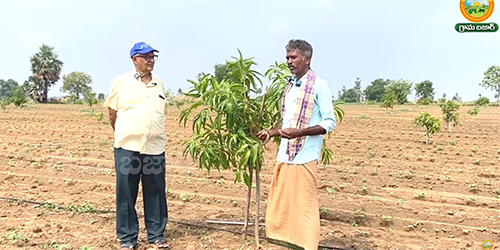
When Chemical Fertilizers Failed to Deliver Results
For nearly six years, the mango orchard showed no real development. Despite repeated use of chemical fertilizers and sprays, the trees remained weak, and many plants died. This raised serious concerns about soil health and long-term sustainability.
Identifying the Root Cause: Nematodes and Soil Damage
Although lab testing wasn’t done, the symptoms clearly pointed toward nematode damage in the root zone. The farmer began searching for a practical nematodes solution that could work naturally, without harming the soil or nearby crops.
Switching to a Natural, No-Chemicals Farming Approach
Instead of increasing chemical inputs, the farmer adopted a natural, no-chemicals method focused on strengthening roots and improving soil biology. This approach acted as an effective alternative to fertilizers, helping the plants absorb nutrients more efficiently.
Visible Results: Strong Roots and Healthier Growth
Within 15–20 days, new shoots emerged from plants that were previously considered dead. Leaf thickness improved, greenery returned, and plant mortality dropped sharply. Even pest pressure reduced, lowering the need for repeated sprays.
Organic Fertilizers, Intercropping, and Long-Term Sustainability
By combining organic fertilizers, waste decomposer cultures, and intercropping with groundnut and cotton, the farmer improved soil structure and resilience. With fewer chemical applications and healthier trees, the orchard is now on a sustainable growth path.
Leave a Reply
You must be logged in to post a comment.