
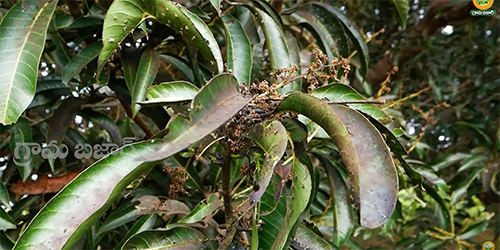
The flowering and fruit-setting stage is the most critical phase in mango cultivation. Even small mistakes during this period can lead to flower drop and reduced yields. By following the right nutrient management, pest control, and natural farming practices, farmers can protect their crop and achieve better quality and higher returns.
Nutrient Management During Flowering and Fruit Set
During the flowering and early fruiting stages, mango trees require essential micronutrients such as zinc, boron, manganese, and iron. Supplying these nutrients at the right stage helps strengthen flower retention and fruit development. Excessive or improper dosage can harm the crop, so nutrients must be applied carefully based on crop condition.
Impact of Weather and Need for Crop Protection
Mango crops are highly sensitive to temperature fluctuations between day and night. Cold or excessive heat can trigger diseases like powdery mildew and sooty mold. Regular field monitoring and timely preventive measures help reduce damage and protect flowers and young fruits from falling prematurely.
Benefits of Covering Mango Fruits
Covering mango fruits from the early fruit stage helps protect them from insects, wind, rain, and chemical exposure. This practice reduces the need for pesticide spraying and allows fruits to ripen naturally on the tree. Covered fruits often gain up to 100 grams more weight and show improved quality.
Managing Pests Without Heavy Chemical Use
Pests such as thrips and sap-sucking insects damage flowers and young fruits, reducing yield. Instead of relying solely on chemicals, farmers should adopt natural and preventive measures. Early detection and balanced nutrition strengthen plant immunity, helping control pest attacks while maintaining soil and crop health.
Role of Natural Inputs and Correct Application
Natural formulations and decoctions can effectively support mango crops when used correctly. Sprays should fully wet branches during flowering, while soil applications must follow recommended dilution levels. Dosage should always be decided based on crop age and condition. Early problem identification helps protect yield and maximize income.
Leave a Reply
You must be logged in to post a comment.