
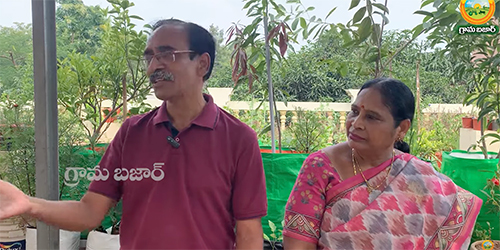
A retired engineer shares his two-year journey of transforming his small terrace into a thriving organic garden. From soil issues and pest attacks to understanding natural growth cycles, his story illustrates how patience and observation can yield abundant vegetables, fruits, and ornamental plants.
The Beginning: From a Few Plants to a Thriving Garden
The garden began with just five plants, including a few roses, and slowly expanded to over 100 plants. Initially, challenges like the pandemic delayed activities, but curiosity and a passion for plants kept the project alive. By experimenting step by step, the terrace garden evolved into a mini ecosystem supporting fruit trees, vegetables, and flowering plants.
Major Challenges: Soil, Watering, and Pests
Soil was the first challenge. Most plants needed fresh, quality soil, which the gardener sourced himself from nurseries, adding mustard powder and other treatments recommended by gardening videos. Watering proved tricky: too much led to root rot and fungal infections, too little dried the plants. He gradually balanced watering and spacing to suit terrace conditions.
Pests and nematodes were unexpected hurdles. Plants like jamun, mango, and fig faced stunted growth or root problems. Observing symptoms, searching online, and experimenting with natural treatments helped control the infestations. Over time, the gardener switched almost entirely to organic pest and fungal control, avoiding chemicals.
Organic Growth and Self-Balancing Ecosystem
Using organic inputs like compost, cow dung, kitchen waste, and neem oil, the gardener encouraged healthy soil microbes and strong plant growth. Terrace gardens have a smaller self-balancing capacity than open fields, so careful monitoring was essential. Each plant needed observation, light pruning, and occasional sprays to maintain growth. The gardener observed that even small interventions allowed the plants themselves to do 90% of the growth work, highlighting the efficiency of organic gardening.
Flowering and Fruiting: Learning Patience
Flowering plants were the first success. Hibiscus, jasmine, and tulsi flourished in rows, while fruit trees like mango, jamun, and sapota required careful care. Some fruits developed slowly due to limited sun exposure, yet stable yields were achieved over time. The gardener noticed that plants often self-corrected growth patterns once soil and watering issues were managed.
Terrace Gardening as a Hobby and Learning Experience
The gardener sees terrace gardening as both a hobby and a discipline. It’s a balance between personal enjoyment and structured experimentation. Watching plants grow, observing natural cycles, and learning from minor failures helped develop patience and confidence. He emphasizes that terrace gardening is a low-cost, high-learning venture, even for those without prior farming experience.
Role of External Guidance and Products
The gardener also benefited from Gramabazaar products and online resources. Organic growth solutions helped manage pests and improve fruit yields. While solarization wasn’t feasible in terrace conditions, careful plant placement and organic amendments produced visible results. The experience proved that even small terraces can host a productive and resilient garden with minimal chemical intervention.
Leave a Reply
You must be logged in to post a comment.